
In today’s connected world, it’s almost impossible to imagine working without networks—whether at home, school, or in big organizations. Computers need to share files, access common resources, and communicate smoothly. That’s exactly where a Network Operating System (NOS) steps in.
Just like a regular operating system acts as the bridge between your computer and its hardware, a Network Operating System manages the entire network, ensuring multiple devices work together seamlessly.
If you’ve ever accessed a shared folder at your office, used a network printer, or logged into a centralized system — you’ve quietly interacted with a NOS. Let’s break it down in simple terms.
What Is a Network Operating System?
A Network Operating System (NOS) is specialized software designed to connect, manage, and control multiple computers and devices within a network. Unlike a standard OS that handles operations on a single machine, a NOS supports:
- File sharing
- User management
- Communication between devices
- Centralized security
- Resource management
In short:
👉 A NOS is the backbone of a computer network, keeping everything organized, secure, and efficient.
Popular examples include Windows Server, UNIX, Linux Server distributions, and Novell NetWare.
Why Is a Network Operating System Important?
The moment your environment requires shared resources—shared files, printers, applications, or user authentication—you need more than just regular computers talking casually.
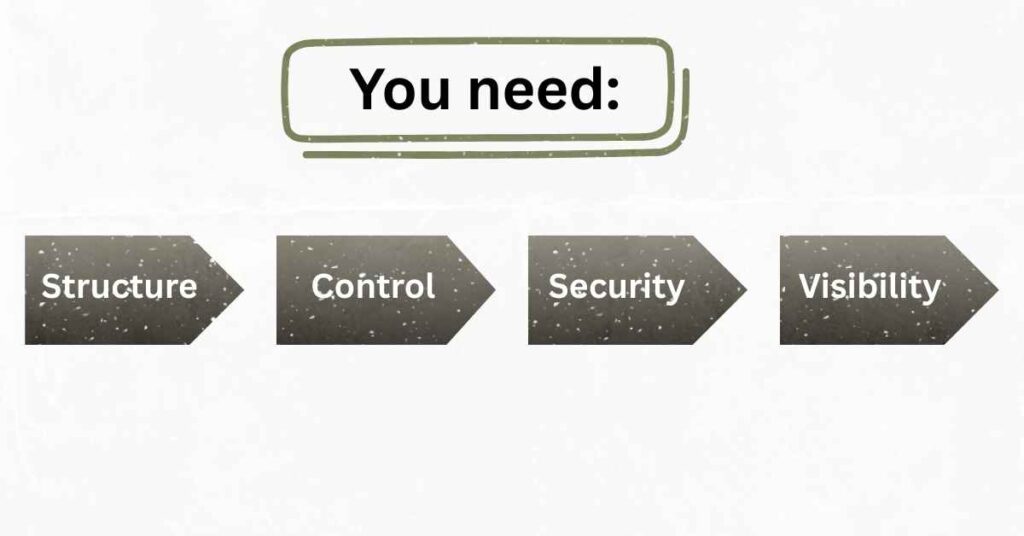
A NOS gives you exactly that.
It helps organizations:
- Maintain centralized control over users and devices
- Ensure secure and authorized access
- Keep network communication stable
- Improve collaboration
- Reduce manual management of multiple systems
Functions of a Network Operating System (NOS)
A NOS performs several essential tasks that keep the entire network running smoothly. Let’s explore them in detail.
1. Creating and Managing User Accounts
In any shared network, not everyone should have the same permissions. A NOS allows administrators to:
- Create new user accounts
- Assign roles or privileges
- Reset passwords
- Remove or suspend users
This ensures each user gets controlled access to resources, keeping the network organized and secure.
2. Controlling Access to Network Resources
Network resources include things like:
- Shared folders
- Printers
- Databases
- Applications
- Storage devices
A NOS decides who can access what, based on user permissions. For example, an employee in the finance team may have access to financial documents, while others do not. This keeps sensitive data safe and prevents misuse.
3. Providing Communication Services
A huge part of networking is communication. A NOS enables devices to interact with each other by offering services such as:
- File transfer
- Messaging systems
- Remote login
- Directory services
This makes collaboration smoother, especially in organizations where multiple users work with shared data.
4. Monitoring and Troubleshooting the Network
A good NOS keeps an eye on everything happening in the network. It can:
- Track performance
- Identify bottlenecks
- Detect errors or failures
- Alert administrators
- Help diagnose issues
Think of the NOS as the network’s “health monitor,” always ensuring things run smoothly.
5. Configuring and Managing Network Resources
From setting up servers to managing printers and storage devices, the NOS plays a central role in configuring network hardware. It ensures:
- Devices are recognized on the network
- Resources are allocated properly
- New hardware integrates smoothly
- Existing systems stay up-to-date
This centralized management saves time and reduces confusion—especially in larger environments with many connected devices.
Final Summary
A Network Operating System is the software that controls, manages, and supports a computer network. It handles everything from user accounts and resource access to communication services and troubleshooting. Essentially, it transforms individual machines into a coordinated, secure, and efficient network.
If you’re learning networking or preparing for exams, understanding the role of a NOS gives you a strong foundation for more advanced topics like servers, domains, and network protocols.
No. Windows 10 can join networks, but it isn’t designed to manage them. Windows Server is the NOS version.
Small home networks may not, but organizations with multiple users and shared resources definitely do.
A regular OS manages a single computer; a NOS manages multiple devices and shared resources across a network.